Design for intent
Make desired outcomes and architectural boundaries legible enough for people and intelligent agents to act safely.
Author · Technology Executive
Scott Shultz writes for executives, operators, and technologists who need to move faster without surrendering judgment, trust, or measurable value.
The author’s thesis
“AI did not eliminate engineering discipline. It moved the discipline upstream.”
When output becomes abundant, clarity, governance, and human judgment become more valuable—not less. Scott’s books explore how leaders can redesign work, technology organizations, and operating models for that reality.
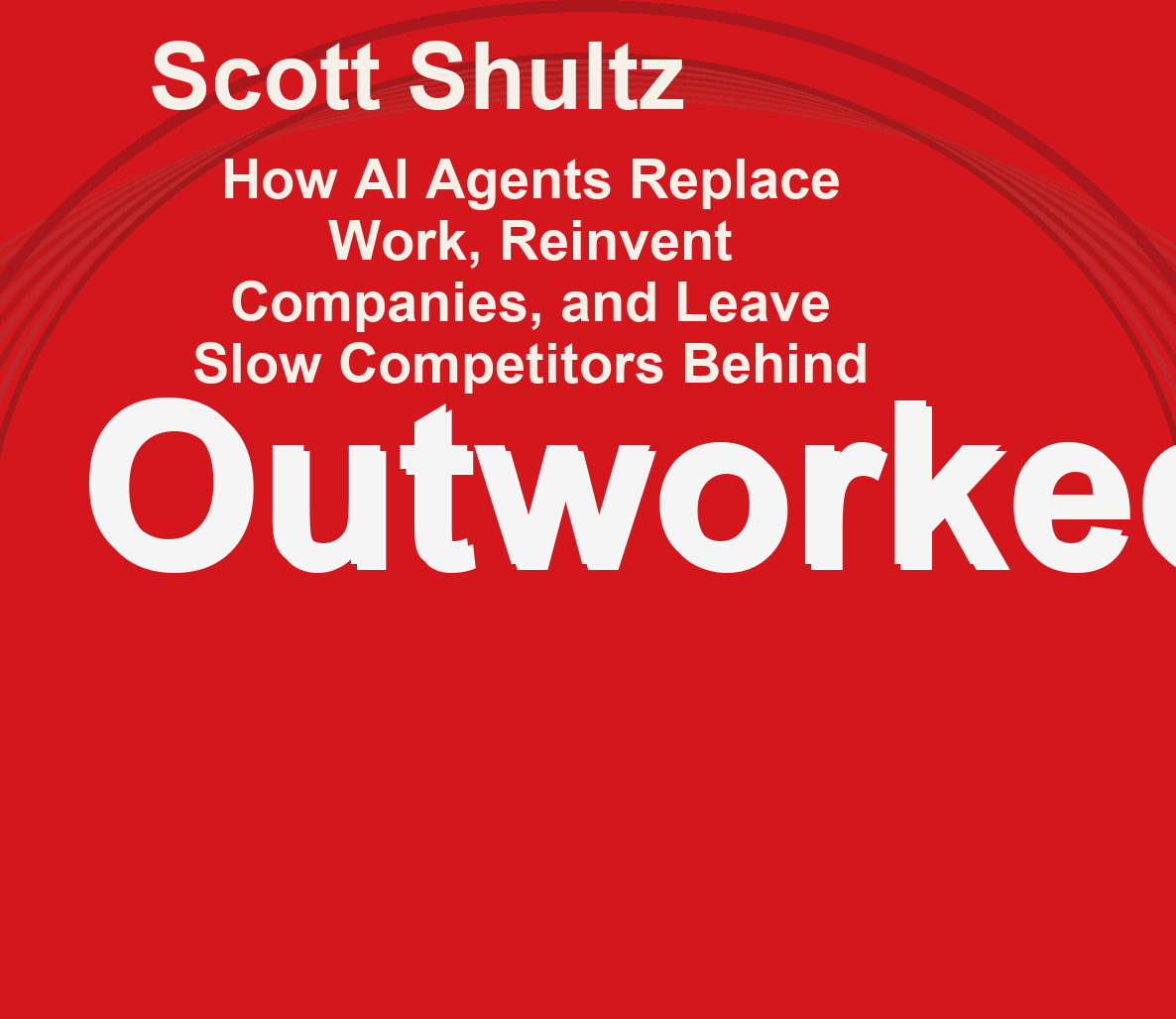
How AI agents replace work, reinvent companies, and leave slow competitors behind.
Outworked is a leadership playbook for organizations facing a new competitive reality: the cost of execution is collapsing, intelligent agents are entering the workforce, and operating-model speed increasingly determines advantage.
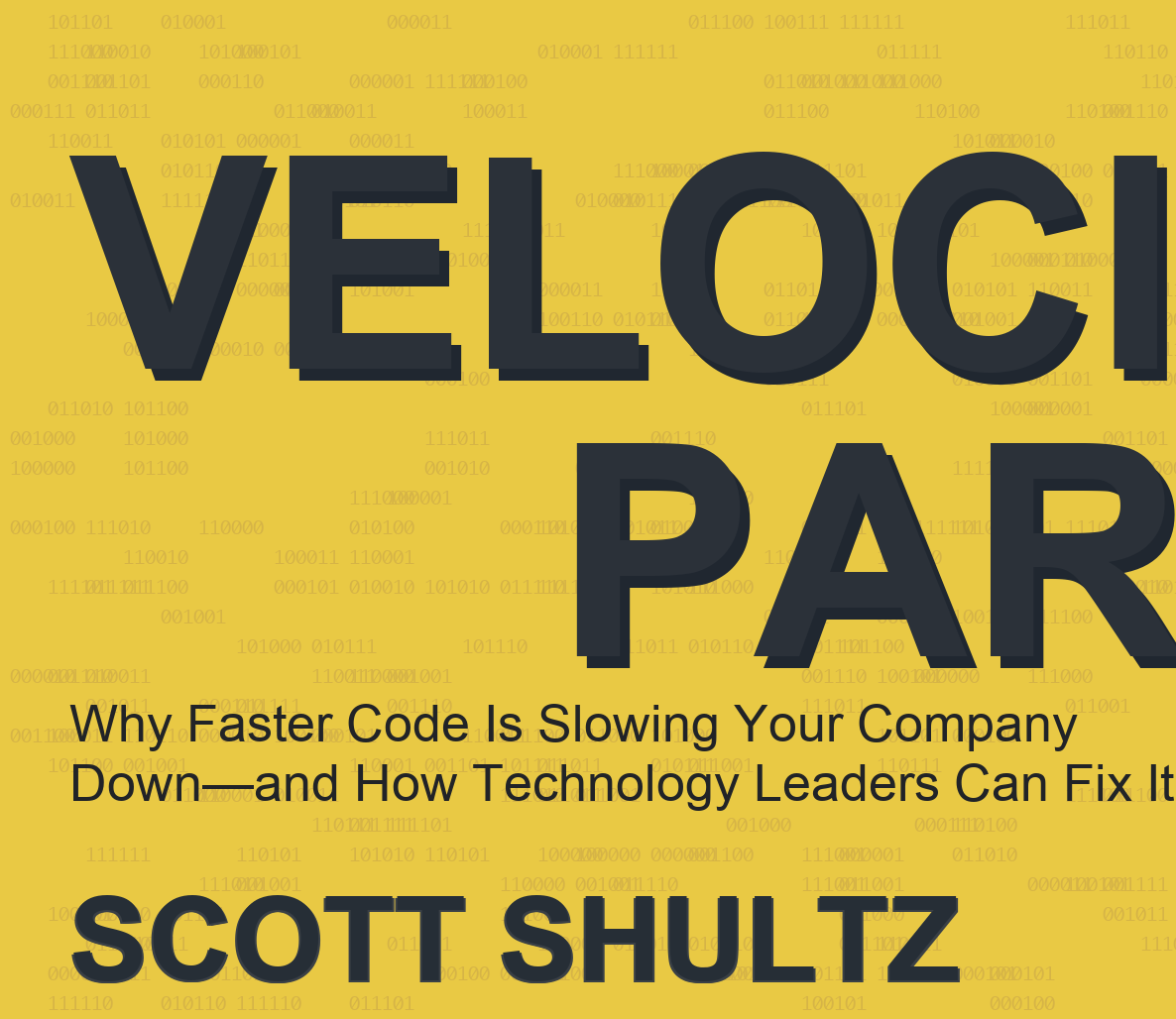
Why faster code can slow the company—and how technology leaders can fix it.
When code becomes easy to generate, the bottleneck moves from syntax to intent. The Velocity Paradox offers a practical blueprint for leaders building AI-native engineering systems without accelerating technical debt, ambiguity, or risk.
Across the work
Principles for leaders who want to increase enterprise capability while preserving the judgment that makes progress durable.
Make desired outcomes and architectural boundaries legible enough for people and intelligent agents to act safely.
Shift discipline upstream—from reviewing generated output to defining evidence, trust, accountability, and escalation.
Use agentic capability to evolve legacy environments without multiplying uncontrolled operational exposure.
Replace activity metrics with proof that technology velocity is producing durable enterprise value.
The next conversation
Speaking, advisory, and thoughtful conversations about the future of enterprise technology.